WHEN
August 26, 2026 2:00 PM
WHERE
ABOUT
Digital Sovereignty in Supply Chains: Building National Digital Logistics Capabilities


Digital Sovereignty in Supply Chains: Building National Digital Logistics Capabilities
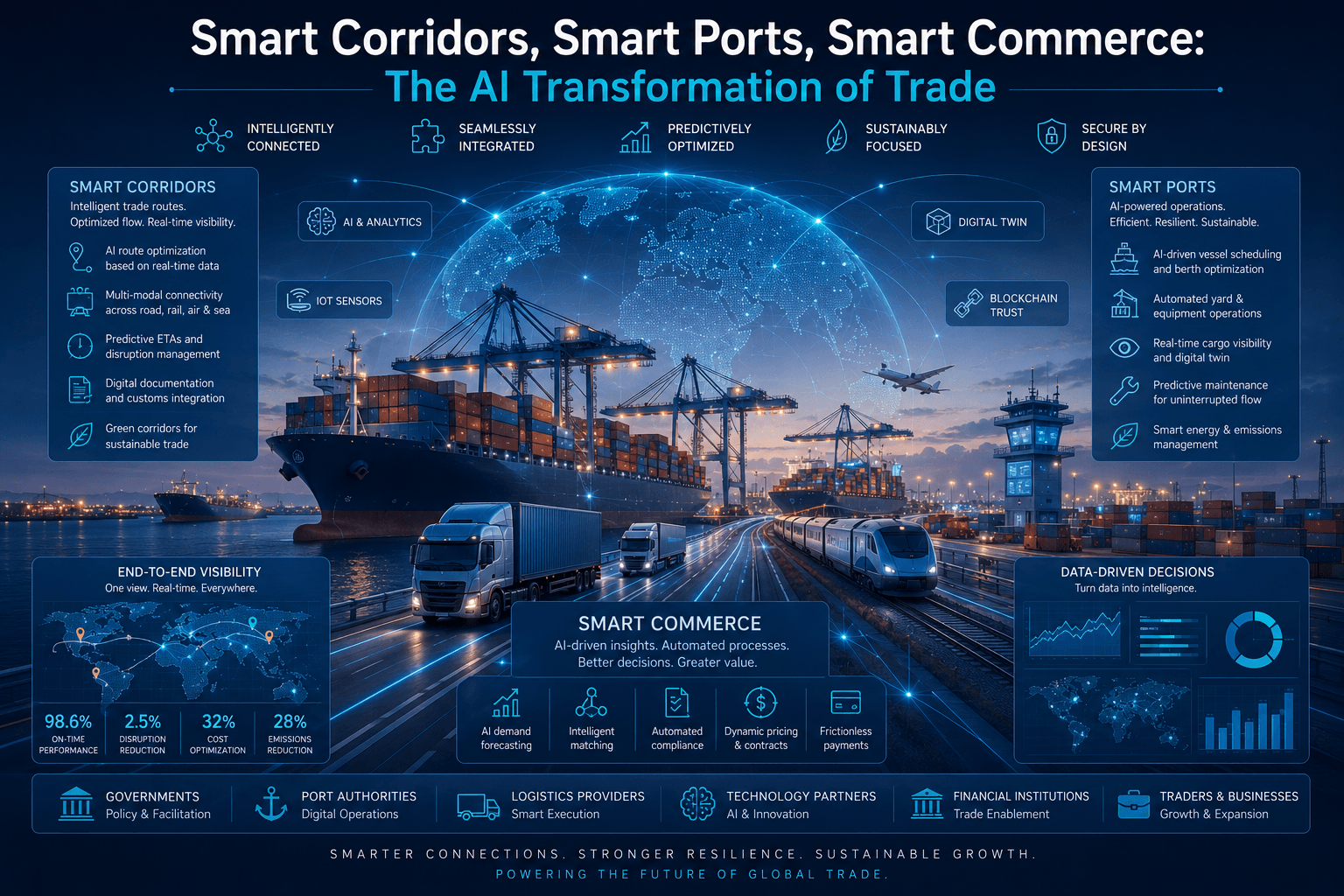
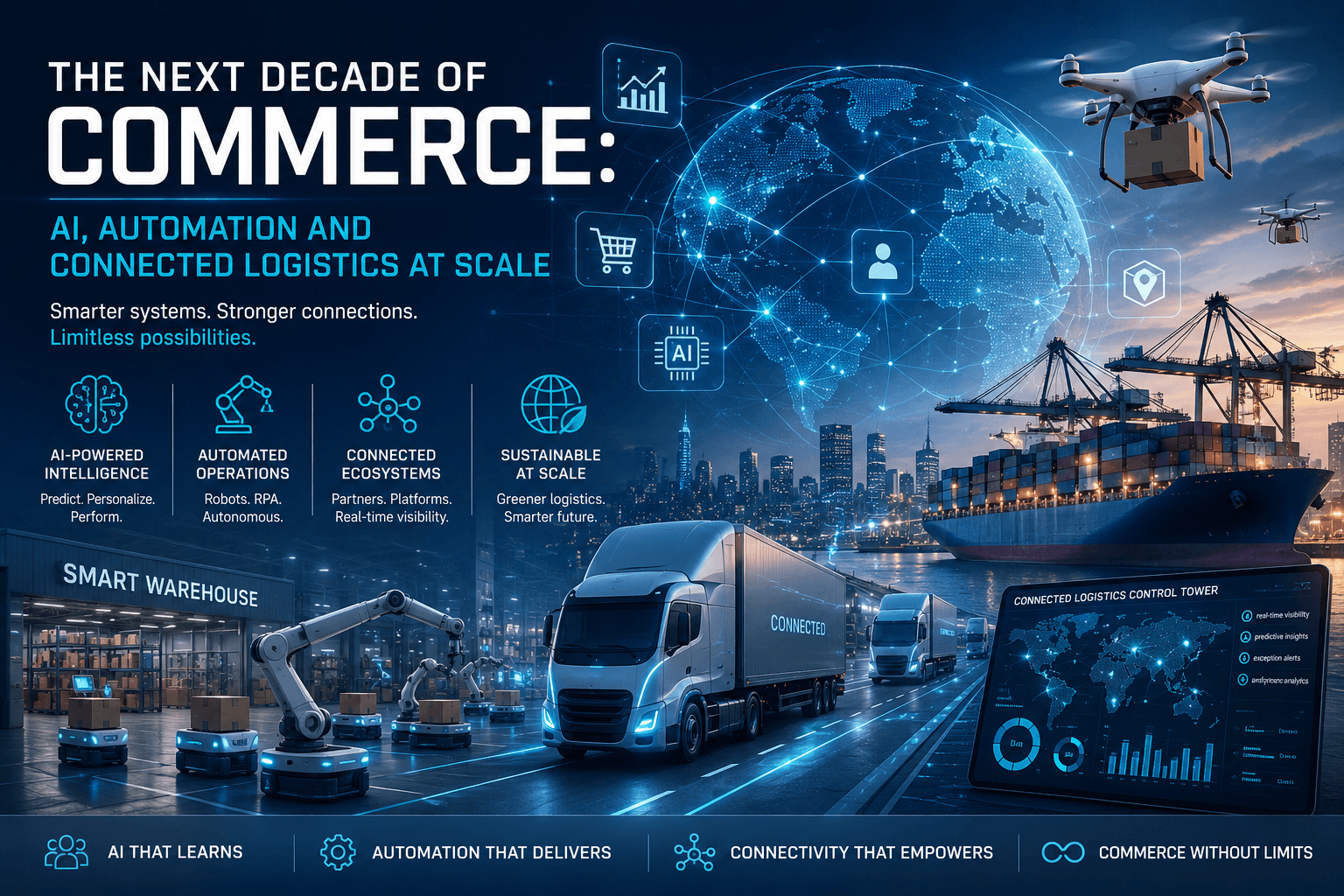
Digital transformation has fundamentally changed how supply chains operate. Logistics platforms now manage procurement processes, transportation coordination, cargo visibility, documentation, customs integration, and predictive analytics. These systems generate large volumes of operational data that are critical for economic decision making.
As a result, governments and enterprises are increasingly focused on ensuring that the digital infrastructure supporting logistics operations remains secure, reliable, and strategically controlled.
Digital sovereignty in supply chains refers to the development of national digital capabilities that enable countries to manage logistics data, platforms, and technology ecosystems within their regulatory and strategic frameworks.
This includes building locally controlled digital logistics platforms, establishing secure data governance policies, strengthening cybersecurity measures, and enabling collaboration between public institutions, technology companies, and logistics providers.
By developing national digital logistics capabilities, countries can improve supply chain transparency, strengthen economic resilience, support domestic industries, and enhance their position in global trade networks.
This keynote session explores how governments and enterprises can work together to build digital logistics ecosystems that support both national sovereignty and global connectivity.